Being a fiduciary was never supposed to be easy. But does it need to be this hard?
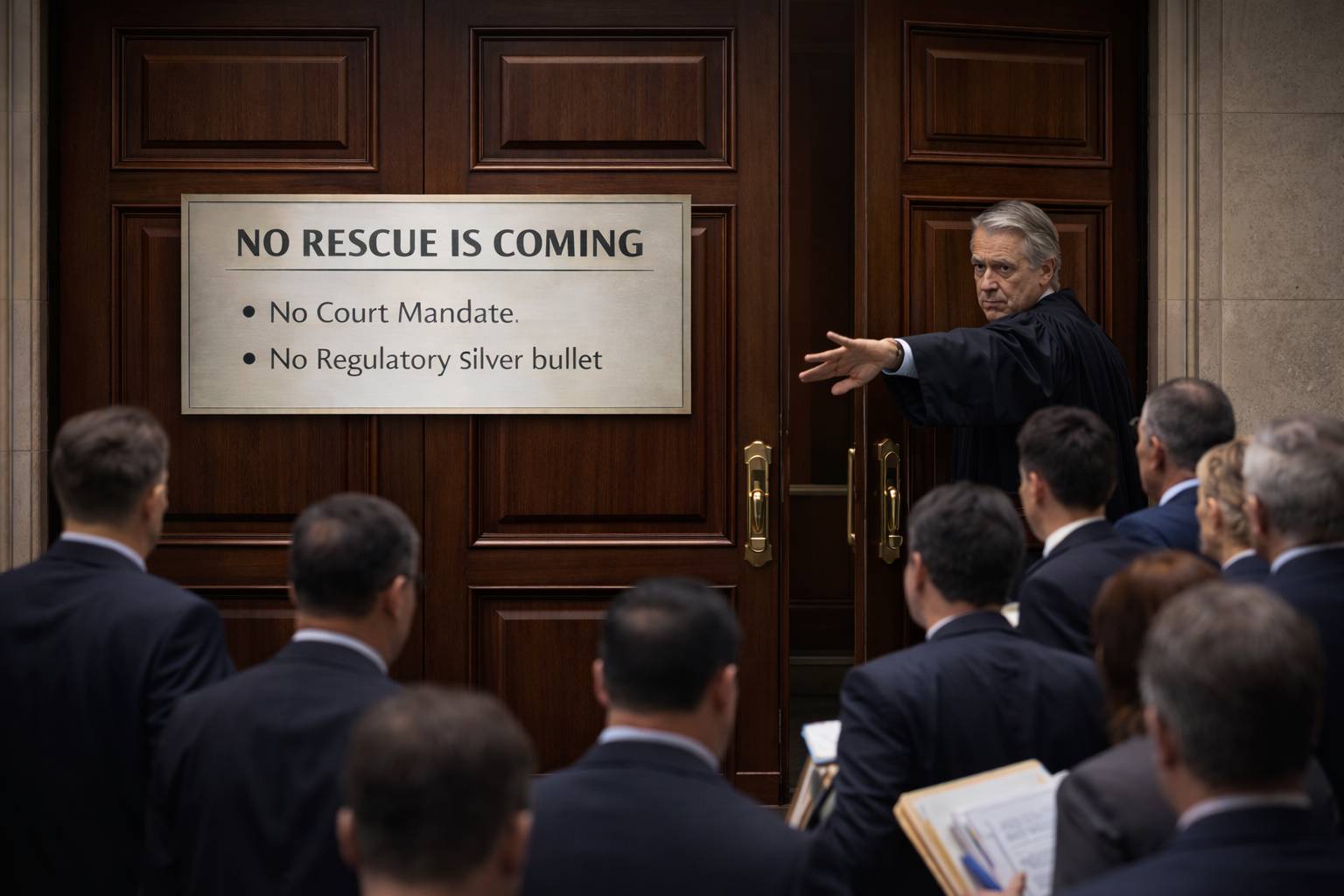
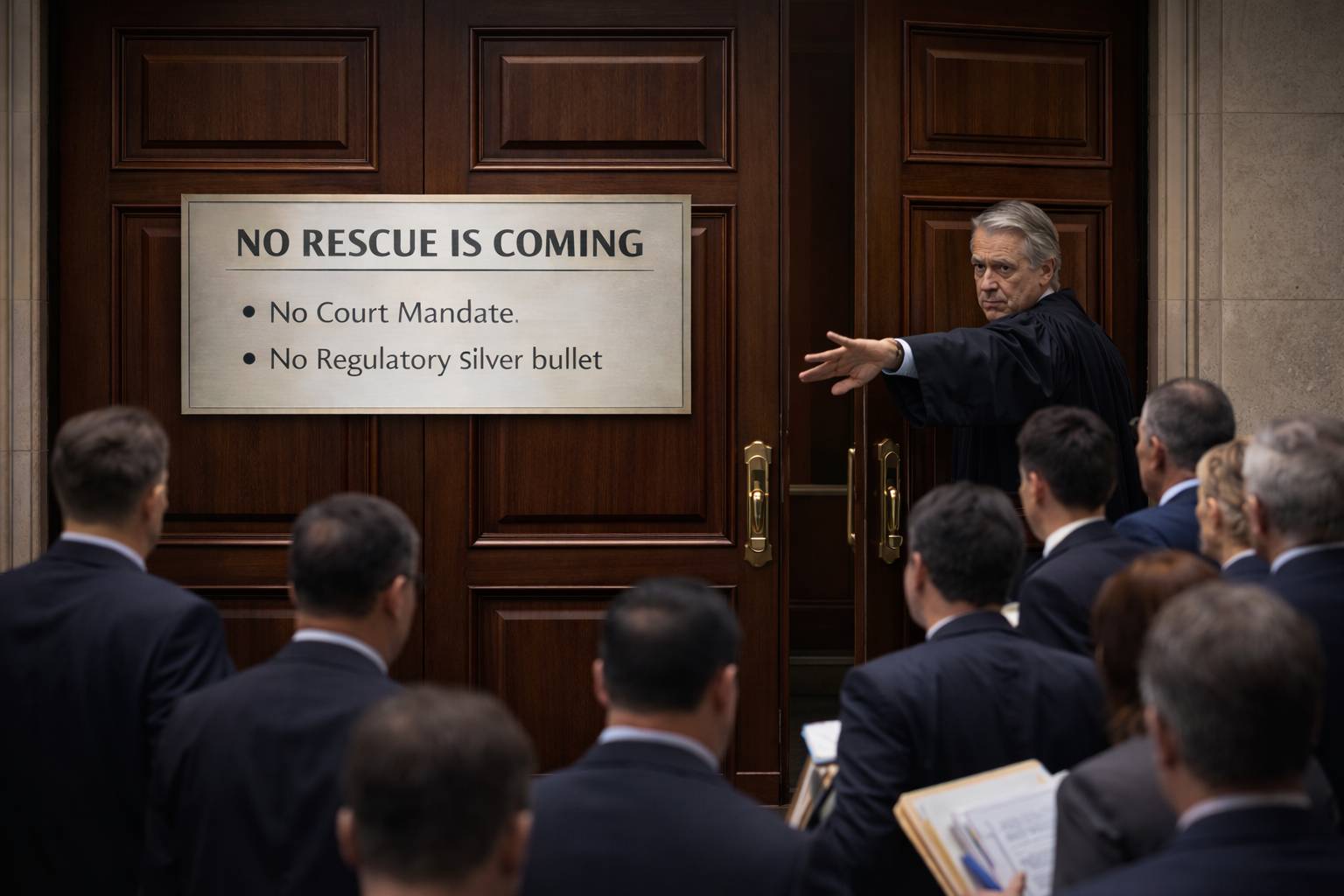
2025 made one thing painfully clear: If you were waiting for the courts, regulators, or Congress to save you, you’re likely still waiting.
This year brought real advancements, real setbacks, and a lot of uncomfortable clarity about the fiduciary status quo and where responsibility actually sits.
And if you’re responsible for a health plan, that clarity matters more than ever.
Don’t Wait For Rescue
The Year in Review
Advancements: Where Fiduciary Duty Made Progress
Despite the frustration, this wasn’t a wasted year. There were real signals fiduciary accountability is finally being taken seriously. At least in principle.
Courts selectively imposed real consequences. Significant fines, settlements, and enforcement actions reinforced a core truth: fiduciary breaches can be costly when facts, documentation, and discretion align. Look for more details about this week’s Aramark v. Aetna decision.
PBM reform moved from theory to legislation. State-level PBM reform gained traction in places like AR, CO, IA, IL, MA, and WI putting rebate practices, spread pricing, and pharmacy access under direct scrutiny. While ERISA limits the reach, the pressure is unmistakable.
Federal attention didn’t disappear. Congressional hearings, agency guidance, and continued DOJ interest kept PBMs and intermediaries in the spotlight. This wasn’t just noise. It was sustained attention.
Mark Cuban changed the conversation. By publicly calling out PBM practices and demonstrating viable alternatives, Cuban did something rare: he made complexity understandable and visible to non-experts. That visibility matters.
Employers started testing the market. More plan sponsors issued PBM RFPs, demanded contract disclosures, and questioned long-standing vendor relationships. That shift matters and may be one of the more consequential developments of the year.
Retirement fiduciaries give healthcare the side eye. 401(k) advisors that lived through ERISA litigation began asking uncomfortable questions about healthcare.
Importance of defensibility. Even unsuccessful cases impose reputational risk, discovery costs, and governance scrutiny. In practice, more boards are now asking not “Will we lose?” but “Can we defend our decisions?”
The Status Quo: What Refused to Budge
Some things barely moved at all.
Transparency still gets gamed. Too often, “transparency” remains a marketing label rather than an operational reality. Disclosures exist, but clarity does not. Conflicts persist, just better dressed.
Rebates remain seductive. Despite years of warnings, many employers still tolerate, and even prefer, rebate-driven pricing because it appears to lower premiums. The fiduciary tradeoffs remain poorly understood.
Conflicts are normalized. Brokers are still paid by vendors they choose and oversee. PBMs are still profiting from opacity. Fiduciary duties are still treated like administrivia instead of accountability.
The Setbacks: Where Reality Intruded
And then came the part no one wanted to admit.
Standing remains the wall. Courts continue to dismiss health plan PBM fiduciary cases like Lewandowski v. J&J on standing grounds. Procedural hurdles, not merits, are stopping many claims before they ever reach substance.
Even the loudest warnings softened. This week, Chris Deacon, the ERISA attorney who famously predicted a tsunami of healthcare fiduciary litigation, publicly acknowledged the wave isn’t materializing. Fortunately she and others have been pursuing whistleblower cases like Lyons et al v. Horizon which have succeeded.
The Calvary Isn’t Coming But You Have Power
The Most Important Lesson of the Year
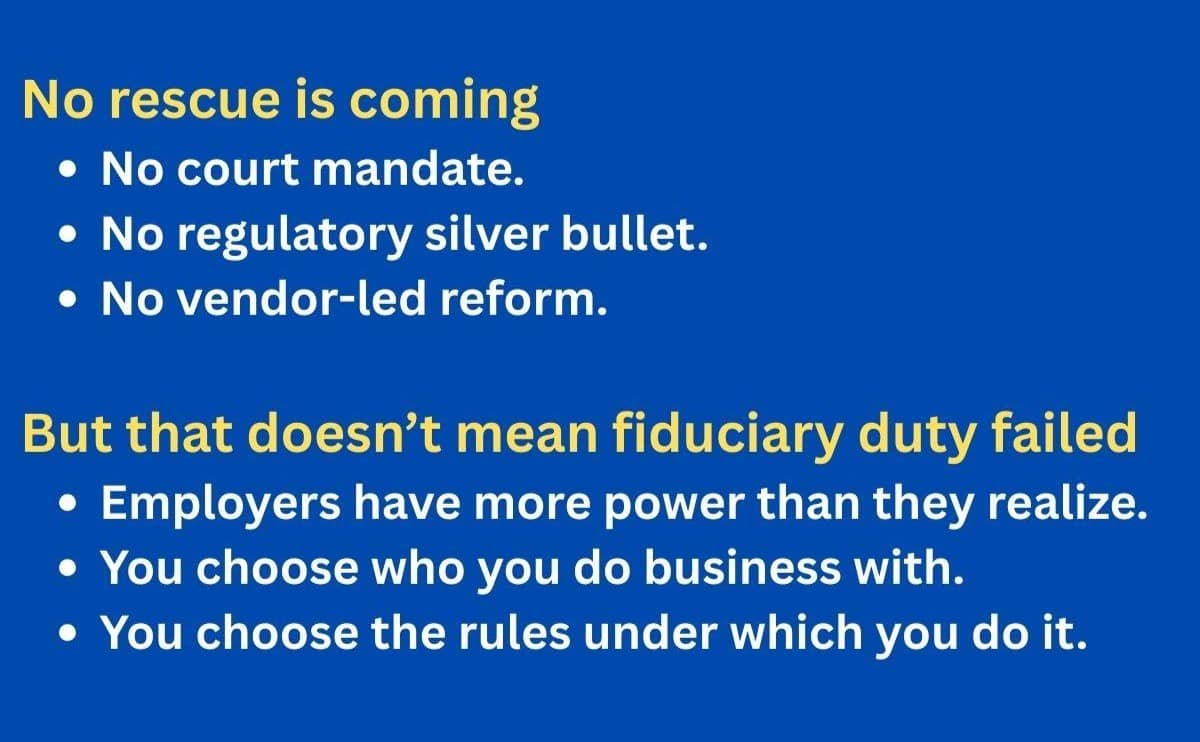
Here’s the uncomfortable conclusion: The cavalry isn’t coming.
Not from the courts. Not from Congress. Not from regulators.
If you’re waiting for permission to act, or for enforcement to force your hand, you may wait forever.
But that doesn’t mean fiduciary duty failed.
It means fiduciary duty was always the responsibility of employers.
You choose who you do business with. You choose the rules under which you do it. You choose whether conflicts are tolerated or eliminated.
And increasingly, alternative channels are no longer theoretical. Direct contracting, transparent pharmacy models, and unconflicted vendor structures are now referenceable, scalable, and defensible if employers are willing to lead.
Why I Wrote the Handbook (and Built the Course)
This year reinforced why fiduciary infrastructure matters more than good intentions.
The Fiduciary Handbook and certification program exist to give employers that infrastructure. Not theory, not headlines, but usable governance.
Fiduciary progress happens when:
Employers understand their duties
Committees are equipped to act
Decisions are documented and defensible
Conflicts are addressed deliberately, not ignored
That path isn’t easy.
But it is clear, defensible, and entirely within your control.
Looking Ahead
Next week, I’ll pull these threads together into a full year-in-review: the patterns that mattered, the illusions that fell away, and what I’m watching closely as we head into 2026.
For now, this is the takeaway:
It’s hard out here for a fiduciary.
But that doesn’t make it wrong.
Easy was never the standard.
A Discount for All Subscribers
Time Running Out On This Special Offer If you didn’t win one of the five free seats to the Certified Employer Fiduciary Course you can still get 50% OFF through the end of this year. Use the FIDUCIARY50 discount code at checkout from the Validation Institute at https://tinyurl.com/ERISAFIDUCIARY.
Certified Employer Fiduciary Course
Don’t be a bystander. Change the status quo and reap the benefits of The Health Plan Compliance Advantage. Schedule an introductory call with us.